
Doing it yourself works if you have HubSpot architecture experience in-house. If not, the most expensive implementation is the one you do twice. We build it right the first time — and teach your team as we go.
HubSpot Implementation Services
Your revenue shouldn't run on luck. We build the system.
Over half of HubSpot implementations fail — not because of the software, but because of how it's set up. Serendipity architects, builds, and launches HubSpot around your revenue process, then trains your team to run it. Growth stops being a happy accident and starts being repeatable.
Fixed-price scope. Phased plan with dates. No surprise invoices, no endless retainers.
HubSpot Platinum Solutions Partner
✦ Sales + Marketing + Service Hub builds
✦ Training & adoption included in every build
10+
Years working in HubSpot
Platinum
HubSpot Solutions Partner
1,000%
Client growth achieved
B2B
Manufacturing, SaaS & services focus






The Foundation
What Is a HubSpot Implementation?
A HubSpot implementation is three things built together, not one: HubSpot configuration, data migration, and integrations. It's not just HubSpot on the board. It's HubSpot configured around how your business actually runs, your data migrated in from every platform you're leaving behind, and HubSpot connected to the other systems your team depends on, so Sales, Marketing, and Service operate from one trusted system.
HubSpot Configuration
Pipelines, properties, lifecycle stages, permissions, and automation built around how your team actually sells, markets, and serves customers, not a generic default setup.
Data MigrationContacts, companies, deals, and history moved in from whatever platform you're leaving, whether that's Salesforce, a spreadsheet, or a decade-old CRM, with associations intact.
IntegrationsHubSpot connected to the other systems your team depends on: an ERP, an ATS, project management tools, calling platforms like RingCentral, and more.
Done right, an implementation is the difference between a CRM your team tolerates and a revenue engine your leadership trusts. Every downstream decision, lead routing, attribution, forecasting, automation, inherits the quality of the initial build. That's why we treat implementation as architecture, not setup.
Serendipity is the B2B Marketing and HubSpot Maximization Agency: we don't just stand HubSpot up, we build it to be maximized — by your sales, marketing, and service teams, every day.
Onboarding vs. Implementation
Onboarding
HubSpot (or a partner) shows you how the tools work. You do the configuration yourself, generically.
Implementation
An expert team architects and builds the portal around your process — data model, pipelines, automation, integrations, reporting — then trains your team on it.
Serendipity
Implementation-first, with onboarding-grade training baked in. You get the build and a team that knows how to run it.
The Problem
Why Half of HubSpot Implementations Fail
It's rarely the software. It's the setup. These are the six things we hear most from companies who come to us after a DIY or bargain implementation went sideways:
Our sales team just… doesn't use it.
Pipelines that don't match how reps actually sell means data entry feels like homework. Adoption dies in week three, and so does your forecast.
We can't trust our own reports.
Duplicates, inconsistent properties, and broken lifecycle stages make every dashboard an argument instead of an answer.
Marketing and sales still point fingers.
Without shared lifecycle stages and automated handoffs, leads fall into the gap between teams — and nobody owns the miss.
We're paying for features nobody touches.
Workflows, scoring, sequences, AI tools — bought, never configured. The subscription renews; the value never arrives.
HubSpot doesn't talk to our other systems.
When your ERP, billing, or product data lives elsewhere, a disconnected CRM creates swivel-chair work and conflicting truths.
The agency left and took the knowledge with them.
A portal your team wasn't part of building is a portal you'll pay someone else to change, forever.
A Serendipity implementation is engineered against all six — by design, from the first discovery call.
What We Implement
One Platform. Built Hub by Hub, Connected by Design.
We implement HubSpot as one connected revenue system, not isolated tools. Every hub build shares a single data model and lifecycle architecture, so reporting holds together as you grow.
Sales Hub
Sales Hub Implementation
- Pipelines & deal stages mapped to how your team actually sells
- CRM migration from Salesforce, Pipedrive, Zoho, or spreadsheets
- Sequences, playbooks, forecasting & rep-friendly automation
- Dashboards leadership can trust for pipeline & forecast
Custom-scoped, fixed price. Quoted after your free scoping call.
Scope a Sales Hub build →
Marketing Hub
Marketing Hub Implementation
- Forms, landing pages, email & campaign infrastructure
- Lead scoring, segmentation & nurture automation
- Attribution & funnel reporting tied to revenue, not vanity metrics
- Migration from Mailchimp, Pardot, Marketo & other platforms
Custom-scoped, fixed price. Quoted after your free scoping call.
Scope a Marketing Hub build →
Service Hub
Service Hub Implementation
- Ticketing pipelines, SLAs & routing built for your support motion
- Knowledge base & customer portal configuration
- Feedback surveys, health signals & renewal visibility
- Service data connected to sales for cross-sell & retention
Custom-scoped, fixed price. Quoted after your free scoping call.
Scope a Service Hub build →
Full Platform + Integrations
Unified Implementation & Integrations
- Multi-hub architecture on one data model & lifecycle
- ERP integrations — including HubSpot + NetSuite
- Custom objects, custom integrations & complex migrations
- Re-implementations: audit & rebuild of messy existing portals
Custom statement of work for migrations, integrations & rebuilds.
Scope a full-platform build →What determines the cost of a HubSpot implementation?
We believe you should understand pricing before you ever talk to sales. Every Serendipity implementation is quoted as a fixed price, and these are the factors that move the number:
Number of hubs — one hub is a build; three hubs is an architecture.
Data condition — clean data migrates fast; years of duplicates take real work.
Migration complexity — spreadsheets vs. a decade of Salesforce history.
Integrations — native connectors vs. custom ERP syncs like NetSuite.
Process customization — standard pipelines vs. custom objects & logic.
Team size & training depth — more roles, more tailored enablement.
Our Process
The Maximization Method™
Five phases, each with defined deliverables and dates. You'll know exactly where your implementation stands every week — and what "done" looks like before we start.

01
Discover
Week 1–2 · Kickoff within days of signingWe map your revenue process end to end: how leads arrive, how deals move, how customers are served, and where data lives today. Migration and integration needs are scoped here — no mid-project surprises.
02
Architect
Week 2–4 · Blueprint before buildWe design your data model, lifecycle stages, pipelines, automation logic, and reporting framework — and you sign off on the blueprint before configuration begins. Architecture first is how you avoid rebuilding in a year.
03
Build
Week 3–8 · Configuration, migration & integrationHubs configured, data migrated with associations and history intact, integrations connected and tested. Everything is validated against the approved blueprint — not against "looks about right."
04
Enable
Week 6–10 · Role-based training in your portalYour sales, marketing, and service teams are trained inside your actual portal on your actual process. Our target is full adoption — a system your team runs without a ticket queue between them and every change.
05
Maximize
Launch + 30 days · Stabilize, then compoundControlled go-live, post-launch validation, and a growth roadmap of what to maximize next. Continue with Serendipity for ongoing HubSpot maximization and growth marketing — or run it yourself. Both count as success.
Straight Answers
Is a Serendipity Implementation Right for You?
An honest look at who we do our best work with — and when someone else will serve you better.
We're a strong fit if…
- You're a B2B company that wants HubSpot to be your revenue engine, not just a contact database
- You want marketing and sales genuinely aligned — shared data, shared definitions, shared goals
- You have (or are untangling) real-world complexity: migrations, an ERP like NetSuite, multiple teams
- You want your team trained to own the portal, with expert help on tap when you need it
- You value a fixed-price scope and a dated plan over an open-ended retainer
We're probably not, if…
- You want the absolute cheapest checkbox setup and don't care about adoption
- You're B2C or e-commerce first — our depth is B2B revenue motions
- You want a vendor to run HubSpot forever while your team stays hands-off
- Nobody internally can commit time for discovery and training — implementations are built with you, not just for you
vs. DIY setup
vs. HubSpot's standard onboarding
HubSpot's onboarding is guidance: they advise, you build. Serendipity does the architecture, migration, and build for you, tailored to your process — with the training layer included, not bolted on.
vs. big-box agencies
You won't be handed to a junior team after the sale. Serendipity works as your in-house team — senior, fast-moving, and accountable for outcomes like pipeline and revenue, not hours logged.
Results
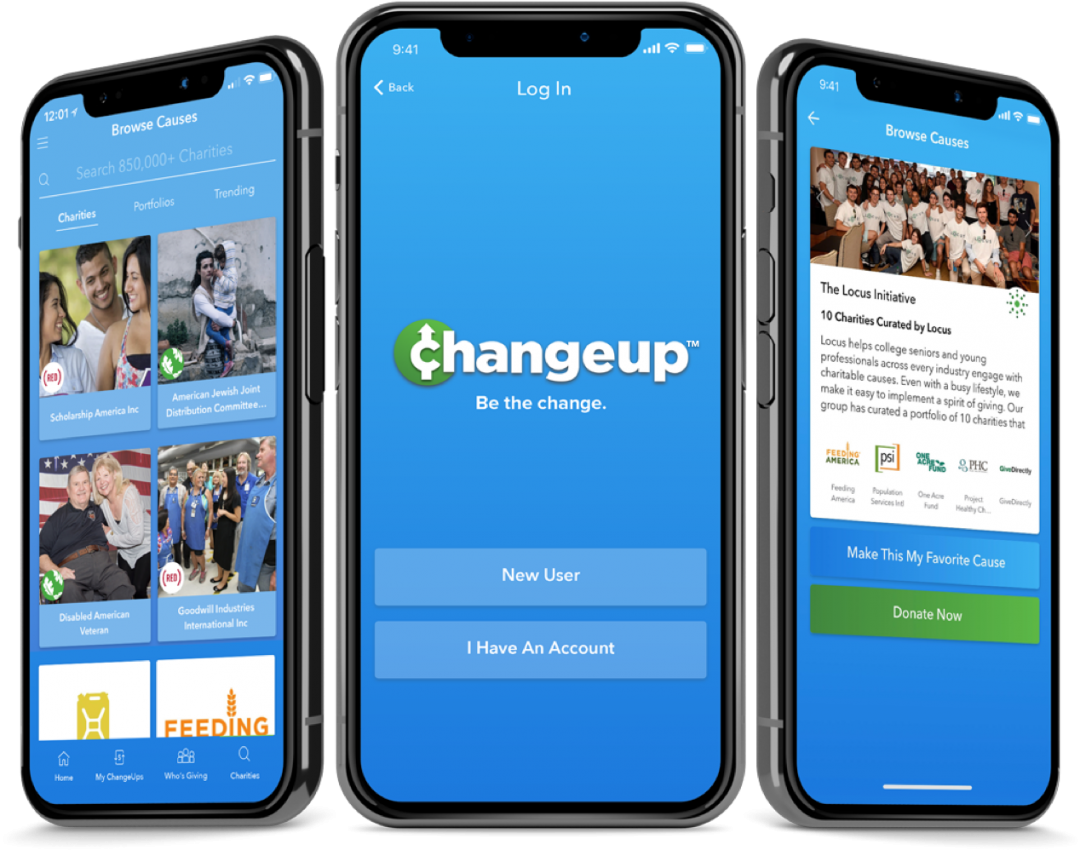
Serendipity has been a compass to guide our business. We worked with them to pivot towards a SaaS model, and established reliable sales and marketing processes. Serendipity has been a bright spot for us this year.
Bob Soderstrom Founder / CEO — ChangeUp
Case Study · RevOps
Rebuilding a revenue operation on HubSpot
How Serendipity used RevOps on the HubSpot platform to align sales and marketing and give leadership real decision-making clarity.
Read the RevOps case study →
Case Study · Funnel
Sales funnels that fill themselves
The funnel architecture behind clients who grew 1,000% and raised tens of millions in growth financing on HubSpot.
Read the sales funnel case study →FAQs
HubSpot Implementation, Answered Directly
What is a HubSpot implementation?+
A HubSpot implementation is three things built together: HubSpot configuration around your company's data model and revenue process, data migration from whatever platform you're leaving behind, and integrations with the other systems your team depends on, like an ERP, an ATS, project management tools, and calling platforms. It's not just HubSpot on the board, it's HubSpot connected to your entire operation.
What's the difference between HubSpot onboarding and implementation?+
Onboarding teaches you how HubSpot works in general; implementation builds HubSpot around how your business works. With standard onboarding, HubSpot advises and you do the setup. With a Serendipity implementation, we architect and build the portal for you — then train your team on it, so you get both the system and the skills.
How long does a HubSpot implementation take?+
Most Serendipity implementations launch in 30–90 days. A single-hub build with clean data lands at the shorter end; multi-hub builds with CRM migration and ERP integrations run longer. You receive a phased project plan with dates before work begins — and kickoff happens within days of signing.
How much does a HubSpot implementation cost?+
Cost depends on the number of hubs, the condition of your data, migration complexity, integrations, and process customization — the six drivers listed above. Every Serendipity implementation is quoted as a fixed price before work begins, so there are no surprise invoices. A free scoping call gets you a real number, fast.
Can't we just implement HubSpot ourselves?+
You can — and if you have in-house HubSpot architecture experience plus the bandwidth, DIY is legitimate. But roughly half of implementations stall or fail, usually from flawed data models and low adoption. A partner build typically pays for itself by shortening time-to-value and preventing an expensive re-implementation later.
Do you migrate data from our current CRM?+
Yes. We migrate contacts, companies, deals, activities, notes, and custom objects from platforms like Salesforce, Pipedrive, Zoho, and spreadsheets — preserving associations and history so your pipeline and reporting are trustworthy from day one. Migration scope is defined during Discover, before you commit.
Can you integrate HubSpot with NetSuite and other systems?+
Yes. Integrations are scoped in discovery, and ERP connections are a specialty — see our HubSpot + NetSuite integration guide. We handle native connectors and custom integrations so customer, quote-to-cash, and product data stay in sync across your stack.
Is training included?+
Yes — always. Every implementation includes role-based training for sales, marketing, and service teams inside your actual portal, on your actual process. Our target is full adoption: a system your team runs confidently without needing an agency for every change.
What happens after launch?+
We run a 30-day stabilization period to validate data, automation, and reporting in live use, then deliver a growth roadmap of what to maximize next. Many clients continue with ongoing HubSpot maximization and growth marketing; others run independently. Both are wins — that's the point of building it right.
We already have HubSpot but it's a mess. Can you fix it?+
Yes. A re-implementation starts with a portal audit: what's working, what's quietly hurting your data, and what should be rebuilt. We then restructure the data model, pipelines, automation, and reporting — and retrain your team — so HubSpot becomes an asset instead of a liability.
Keep Exploring
Go Deeper Into HubSpot Implementation
Integration Guide
HubSpot + NetSuite Integration
How to connect your ERP and CRM so finance, sales, and marketing finally share one truth.
IndustryHubSpot for Manufacturing
Why manufacturers choose HubSpot — and how implementation differs for long, distributor-driven sales cycles.
Case StudyRevOps on HubSpot
The operating framework that aligned sales and marketing and gave leadership decision-making clarity.
Free Implementation Scoping
Stop hoping HubSpot works out. Engineer it.
In one call, we'll map your current systems, flag your migration and integration risks, and give you a fixed-price scope with a dated plan. No pressure, no vague retainers — just a clear path to a HubSpot portal your whole team actually uses.
Book My Free Scoping Call →Prefer email? Reach out through the Get Started form and we'll schedule a discovery call.